
How to spot hydraulic hose failure
In this article, you will learn how to spot a hydraulic hose failure.
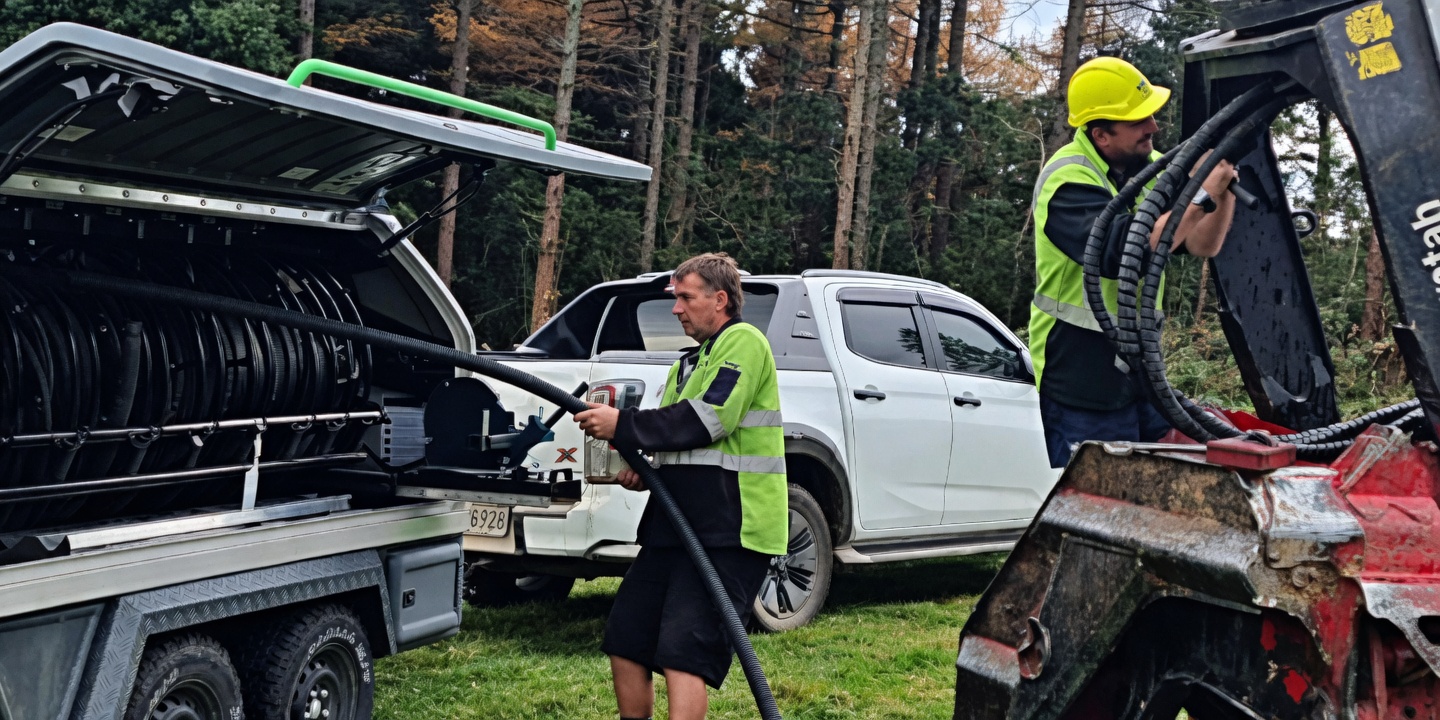
5 Warning Signs Your Hydraulic Hoses May Be About to Fail
In industries like forestry, civil construction, earthmoving, mining, and demolition, hydraulic hose failures rarely happen without warning.
The challenge is that early warning signs are often missed during busy operations, especially when managing multiple machines, job sites, or large fleets.
A small issue that seems harmless today can quickly turn into unexpected downtime, expensive repairs, lost productivity, and safety risks tomorrow.
That’s why regular hydraulic hose inspections and proactive maintenance programs are becoming increasingly important for operators looking to improve uptime and reduce emergency breakdowns.
1. Cracked or Dry Outer Covers
One of the most common warning signs is cracking along the outer hose cover. Over time, exposure to UV, heat, weather, chemicals, and harsh operating conditions can cause hose covers to dry out and deteriorate. Once cracks begin to form, the internal reinforcement layers become more vulnerable to damage and contamination.
This is particularly common in equipment operating in outdoor environments such as logging, quarrying, agriculture, and civil works.
If cracks are visible, it’s often a sign the hose is approaching the end of its service life.
Learn about Hose Protections.
2. Abrasion From Rubbing or Friction
Hydraulic hoses that constantly rub against machinery, guards, clamps, or other hoses can wear down faster than expected. Abrasion is one of the leading causes of hydraulic hose failure across mobile equipment fleets.
At first, abrasion may appear minor. But once the outer cover wears through, the hose reinforcement becomes exposed, significantly increasing the risk of rupture under pressure. Operators should regularly check for:
1. Flat spots
2. Worn outer covers
3. Exposed wire reinforcement
4. Damage near clamps or pivot points
5. Proper hose routing and protection can dramatically extend hose life.
3. Leaks Around Hose Fittings
Leaks near hydraulic fittings are another major warning sign that should never be ignored. Even small leaks can indicate:
1. Loose connections
2. Worn fittings
3. Seal failures
4. Hose fatigue
5. Incorrect assembly or installation
Aside from fluid loss, leaking hydraulic systems can reduce equipment performance, increase contamination risks, and create safety hazards onsite. Catching fitting issues early can often prevent larger hydraulic failures later.
BOA’s sustainability approach outlines our company's global commitments to ensure a pathway to greener pastures.
4. Corrosion on Fittings or Hose Assemblies
Corrosion is especially common in harsh environments where equipment is exposed to moisture, mud, salt, chemicals, or extreme weather. Rust and corrosion can weaken hydraulic fittings and compromise hose integrity over time.
Industries such as forestry, marine, transport, and heavy civil operations are particularly vulnerable to corrosion-related hose failures. Regular inspections can help identify corrosion before it leads to sudden breakdowns or costly emergency repairs.
Here’s a helpful maintenance checklist for all heavy machinery users
5. Bubbling, Blistering, or Swelling
If a hydraulic hose develops bubbles, blisters, or swelling along the outer cover, it usually indicates internal damage. This can happen when:
1. The hose is exposed to excessive heat
2. Hydraulic fluid is incompatible with the hose material
3. Internal layers begin separating
4. Pressure spikes occur within the system
These warning signs should be treated seriously, as they often indicate the hose is at risk of catastrophic failure. If blistering or swelling is noticed, the hose should be inspected and replaced as soon as possible.
Why Proactive Hydraulic Hose Maintenance Matters
Reactive maintenance often leads to higher costs, unplanned downtime, and production delays. By implementing regular inspections and planned hydraulic hose replacement programs, operators can:
- Reduce emergency breakdowns
- Improve fleet reliability
- Extend equipment lifespan
- Increase site safety
- Better manage maintenance costs
- Minimise operational disruptions
For businesses managing multiple machines or remote operations, having visibility over hose condition and replacement schedules can make a significant difference.
Stay Ahead of Hydraulic Hose Failures
At BOA Hydraulics, we work with operators across forestry, earthmoving, civil construction, mining, agriculture, and heavy equipment industries to help reduce downtime and improve hydraulic reliability.
From onsite hydraulic hose support to asset management systems and planned maintenance programs, the goal is simple: less reactive breakdowns and more operational control.
If you'd like to learn more about practical strategies other operators are using to stay ahead of hose failures, get in touch with the team at BOA Hydraulics.